
Enabling Reuse
IN THIS SECTION
Tools that enable reuse should bridge the gap between the current condition of a corridor or property and the strategy the community is pursuing. This does not mean subsidizing every property or preserving every existing commercial use. Assistance should be directly linked to the future land use vision in the corridor strategy. The tools below apply whether the vision is commercial, housing, industrial, or green space. Communities simply adapt how they use them.
LEARN MORE
Prefer a PDF? Download the full contents of the online resource library on commercial vacancy here: Revitalizing Commercial Corridors: A Guide to Public Strategies for Vacancy and Reuse.
Key Questions
- What outcome are we trying to achieve? What use, community benefit, or broader corridor goal should the intervention advance?
- What level of intervention is necessary? Can a modest change or intervention unlock reuse, or does the property require more substantial public investment?
- Who is best positioned to lead or support the intervention? What roles should local government, property owners, developers, businesses, nonprofits, or community-based organizations play?
- What can the market support, and where is public or community intervention needed? Would the property likely return to productive use without assistance, or is there a demonstrated gap that public action could address?
- How will we ensure the intervention advances community priorities? What conditions, agreements, or safeguards are needed to ensure the property serves its intended purpose over time?
- How will we measure success? What would meaningful reuse look like for this property and the surrounding corridor, and how will we know whether the intervention is working?
Property Preparation
Local governments can take proactive steps to reduce the physical, environmental, and legal barriers that make vacant properties hard to redevelop. These steps make properties more market-ready, reduce costs and uncertainty for prospective users, and position properties for uses that advance community goals.
- Environmental assessment and cleanup: Identify and address contamination so it does not block reuse, and help determine which properties are viable.
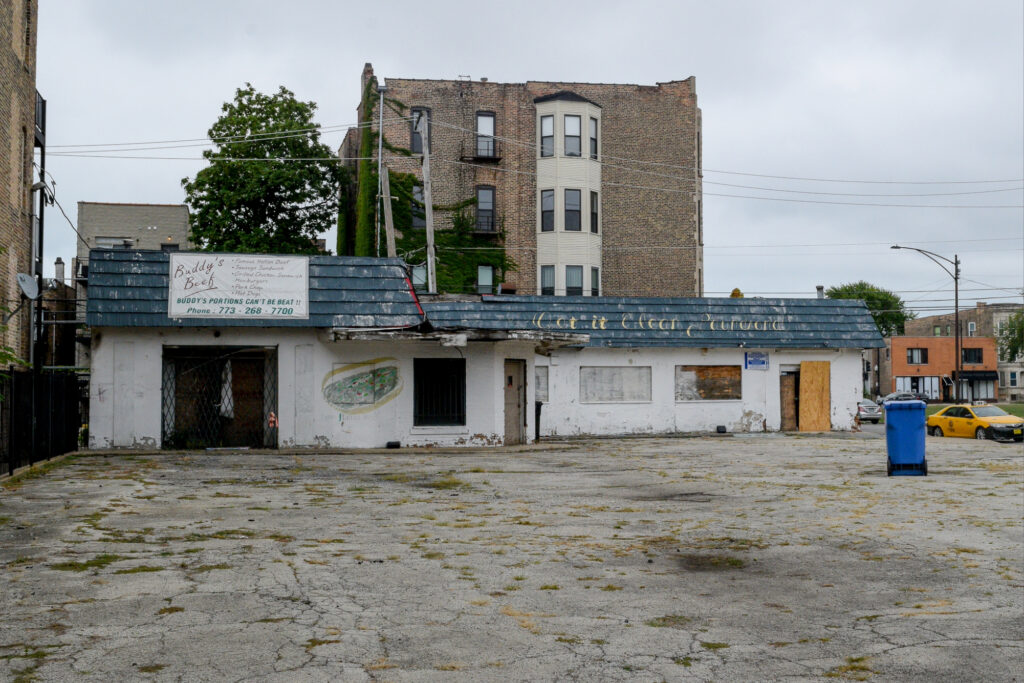
- Mothballing: Stabilize vacant buildings and protect them from further deterioration when immediate reuse is not feasible, preserving redevelopment potential while the community identifies a reuse.
- Gray- or white-box preparation: Complete basic building improvements—such as structural, mechanical, electrical, plumbing, or interior work—to make vacant commercial space more marketable and reduce upfront costs for prospective businesses and developers.
- Full rehabilitation: Bring properties back into use, with the scope of work guided by the desired use, market conditions, and community priorities.
- Demolition or deconstruction: Remove structures beyond feasible rehabilitation or that prevent a site from supporting a higher-priority use.
- Site preparation: Resolve title issues, parcel configuration, utilities, dumping, drainage, and site conditions or legal issues so the property is ready for its intended use.
Site Control, Strategic Disposition, and Development Agreements
Site control and prioritized disposition can be powerful tools to direct what happens to a property to advance corridor goals. These tools help match properties with appropriate users, retain control when needed, set clear expectations for redevelopment, and preserve long-term community goals while reducing barriers to investment.
- Short-term leases and licenses: Temporarily activate vacant properties, test potential reuses, and build toward longer-term uses that respond to community needs and market demand.
- Requests for proposals (RFPs): Ask interested purchasers to submit a proposal rather than simply selling the property to the highest bidder. The community can identify prioritized uses, desired community benefits, and selection criteria so the property advances local goals.
- First-look opportunities: Prioritize purchasers best positioned to align reuse with community goals, such as existing businesses, local developers, or mission-driven organizations and give them a time-bound window to purchase before others can.
- Discounted sales: Set the price to close a demonstrated financial gap, such as substantial rehabilitation costs, and tie the discount to a preferred use or community benefit.
- Ground leases: Let public entities retain long-term ownership and control of the property while a private or nonprofit partner develops and operates it in line with community priorities.
- Development agreements: Set clear expectations for use, timelines, construction performance, and community benefits, with remedies such as reversion or financial damages if commitments are not met.
- Restrictive covenants or easements: Preserve a desired use, affordability requirement, or other priority over the long term, even after the property changes ownership.
Zoning, Building Code, and Permitting
Communities can create clearer paths for redevelopment that make desired uses more feasible, reduce regulatory barriers for developers, and help ensure public investment supports corridor goals.
- Zoning changes: Use zoning to align permitted uses and development standards with community goals and market opportunities before properties are disposed of. For example, allow small-scale industrial, mixed-use, productive green space, or other priority uses.
- Parking requirements: Reconsider requirements that make commercial redevelopment financially infeasible, and whether on-street or public parking can meet corridor demand.
- Adaptive reuse and change-of-use flexibility: Allow reasonable flexibility in building and life-safety requirements so reusing older or vacant buildings is more feasible.
- Temporary-use permits: Enable short-term or interim uses that activate vacant properties, test market demand, and build toward longer-term uses.
- Public right-of-way and outdoor-use permits: Expand opportunities to activate adjacent public space, such sidewalk cafes, parklets, outdoor sales, or temporary street uses to support commercial activity.
- Coordinated or expedited approvals: Reduce time, uncertainty, and carrying costs for projects through coordinated reviews, a single point of contact, or fast-track pathways for priority projects.
- Fee waivers: Reduce upfront development costs for projects that deliver community benefits or address financial barriers.
Financing, Incentives, and Other Public Investment
Public financing and investment can help address financial barriers that often make commercial properties hard to reuse, particularly when market conditions, corridor infrastructure, or rehabilitation costs exceed what private investment can support. These tools can reduce risk, close financing gaps, and create conditions for private investment while directing resources toward reuse that aligns with community goals.
- Grants or flexible loans: Offer funds that close specific financial gaps, such as predevelopment costs, upgrades required by code, or tenant attraction. The uses of these funds should be structured around priority uses and locally defined goals.
- Credit enhancements: Reduce risk for private lenders and improve access to capital for projects that advance community priorities but may not otherwise meet conventional financing requirements.
- Commercial Property Assessed Clean Energy (C-PACE) financing: C-PACE financing can provide additional funding for eligible energy-efficiency, renewable energy, or resilience improvements.
- Favorable lease terms: Reduce occupancy costs or align rent with a property’s ability to generate revenue, making publicly owned space accessible for desired businesses, nonprofits, and community-serving uses.
- Tax incentives: Reduce the cost of acquisition, rehabilitation, or operation. Examples include payments in lieu of taxes (PILOTs), property tax exemptions or freezes, tax credits (e.g., historic tax credits, New Markets Tax Credits, Low-Income Housing Tax Credits, energy tax credits).
- Tax increment financing (TIF): TIFs capture a portion of future increases in property or other designated tax revenues to help finance improvements or development costs.
- Infrastructure investments: Address surrounding infrastructure issues—improving streets, sidewalks, utilities, lighting, broadband, parking, or public spaces—to make priority commercial uses more viable.
Related Corridor and Market-Building Tools
- Corridor management: Establish or strengthen an entity or partnership to coordinate corridor priorities, support property and business owners, and sustain implementation across properties and initiatives.
- Corridor marketing, branding, signage, and wayfinding: Strengthen the corridor’s identity and visibility and communicate why it is a good place to visit and do business in.
- Business recruitment: Proactively recruit businesses that fill identified gaps, complement existing businesses, and fit the vision for the corridor, rather than relying solely on market-driven tenanting.
- Matching programs: Connect potential entrepreneurs with property owners who have available commercial space, reducing how long properties remain vacant.
- Business technical assistance: In partnership with chambers of commerce, small business development programs, or similarly positioned entities, support businesses with financing, permitting, business planning, leases, and other barriers to occupying and succeeding in commercial space. Technical assistance could also support sustained or growing operations, such as business planning, operations, marketing, and client retention.
- Clean-and-green and safety upgrades: Address visible and perceived safety concerns through, for example, graffiti and litter removal, pressure washing, crime prevention through environmental design (CPTED), camera-sharing programs, dedicated patrols, or community-based crisis response.
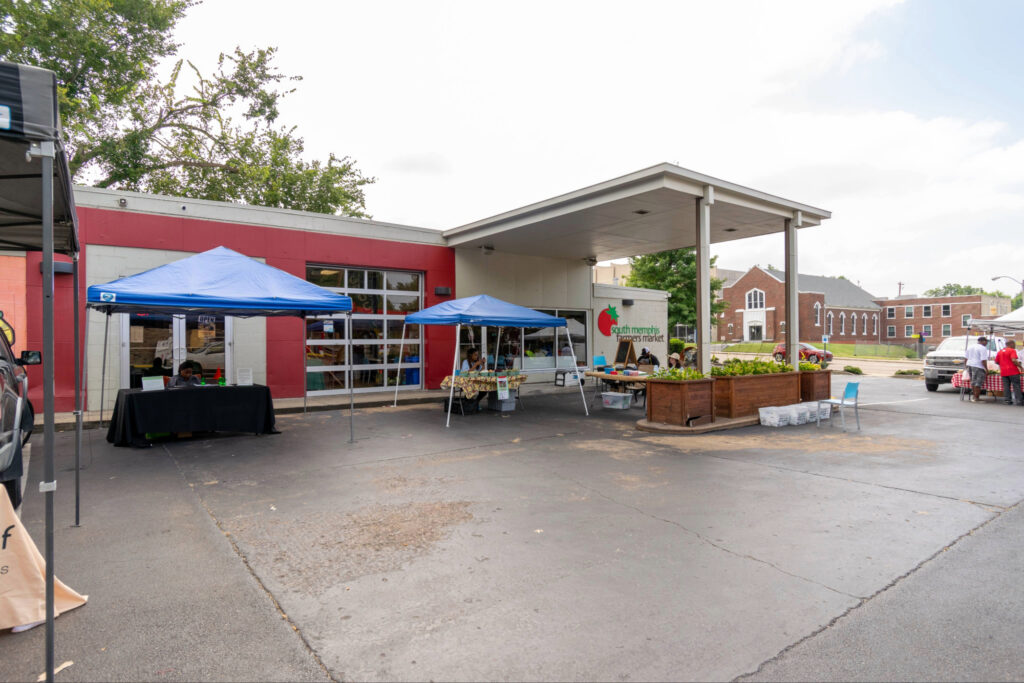
- Pop-ups, markets, events, art, and creative placemaking: Activate vacant spaces and public areas with temporary businesses, markets, events, and art that bring people to the corridor.
- Designated social or entertainment districts: Create a framework for concentrating and supporting restaurants, entertainment, and cultural activities that generate foot traffic and strengthen corridor identity (e.g., restaurant districts with special outdoor dining or alcohol permitting, arts and culture districts that allow public-space programming).
Reimagining Vacant Commercial Spaces as Community Assets through Arts, Culture, and Placemaking
Creative placemaking uses arts, culture, and community-centered development to transform vacant or underutilized properties into places that reflect local identity, respond to community priorities, and create opportunities for connection. These efforts can take many forms, from public art and cultural events to pop-up businesses, exhibitions, performance spaces, and permanent arts and cultural destinations.
Creative placemaking is particularly valuable because it allows communities to take action even when traditional redevelopment is not immediately feasible. A property may remain vacant because rehabilitation costs exceed its market value, ownership is complicated, or demand for conventional commercial uses is limited. In these circumstances, temporary or incremental activations can bring life to underused spaces while longer-term reuse strategies take shape. Beyond activating individual properties, creative placemaking can help build a shared vision to support a thriving commercial corridor. Locally rooted arts and cultural activities can celebrate neighborhood history, strengthen connections among residents and businesses, and give people new reasons to visit and spend time along a corridor. Creative placemaking can also help communities articulate what they want their commercial districts to become, informing future investments.
For creative placemaking to contribute to lasting change, however, communities must connect individual projects to a larger corridor vision and address the barriers that often prevent promising ideas from moving forward. Complicated permitting processes, restrictive zoning, limited access to vacant properties, liability concerns, and inadequate funding can all impede implementation. Local governments, land banks, property owners, arts organizations, businesses, and community groups can work together to make spaces available, clarify approval processes, establish flexible temporary-use policies, and provide small grants or other financial support.
For example, Miami, Florida, established a temporary-use permit for city-owned vacant land that has supported a range of activities, including food trucks, arts and cultural programming, and a drive-in movie theater. Such approaches create opportunities to test new uses, attract visitors, and demonstrate a property’s potential without requiring a full-scale redevelopment project from the outset.
Creative placemaking can be leveraged to bring a comprehensive commercial corridor strategy to life. When coordinated with the strategies to improve commercial corridors outlined in this guide, creative placemaking can help communities move from managing vacant properties to building corridors that people value and use.