Blog

Home » Blog

Our blog unpacks complex approaches to community revitalization so you feel ready to return vacant properties to productive use. Sign up for our newsletter to get solutions in your inbox.

Filter by Date

Topics
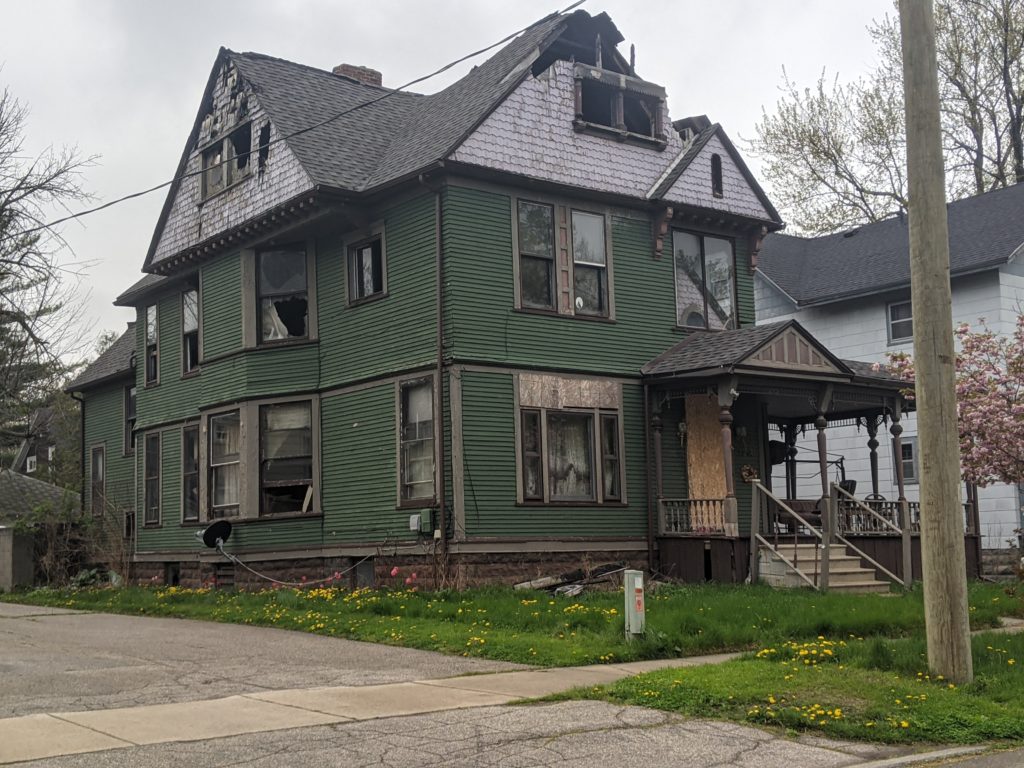
State Policy and Problem Property Regulation
February 9, 2022
State Policy and Problem Property Regulation

This report is derived from From State Capitols to City Halls, a working paper prepared by Alan Mallach pursuant to a joint program agreement between the Center…

Read More »
Where is the vacant property agenda?
February 2, 2022
Where is the vacant property agenda?

This is an excerpt of Chapter 1 of Tackling Vacancy and Abandonment: Strategies and Impacts After the Great Recession, jointly produced by the Center for Community Progress,…

Read More »
#LoveThatLot 2022: Show Your Favorite Formerly Vacant Lots Some Love
February 1, 2022
#LoveThatLot 2022: Show Your Favorite Formerly Vacant Lots Some Love

February is a special month at the Center for Community Progress. And that’s because it’s time for our annual Valentine’s Day celebration, #LoveThatLot, where you share with…

Read More »
Treasury’s Final Rule Is Here; Here’s What You Should Know About Using ARPA Funds to Address Vacancy
January 12, 2022
Treasury’s Final Rule Is Here; Here’s What You Should Know About Using ARPA Funds to Address Vacancy

The long-awaited Final Rule on the American Rescue Plan Act (ARPA) State and Local Fiscal Recovery Fund (SLFRF) was released by the U.S. Treasury Department on Thursday,…

Read More »
Communities Across the US Are Addressing Property Deterioration and Vacancy With ARPA
November 16, 2021
Communities Across the US Are Addressing Property Deterioration and Vacancy With ARPA

States, Tribes, counties, and municipalities around the country have been hard at work determining how to use their allocations from the American Rescue Plan Act’s $350 billion State and Local Fiscal…

Read More »
A Pioneering Approach to Bring a Legacy of Quality, Affordable Housing to Communities
November 15, 2021
A Pioneering Approach to Bring a Legacy of Quality, Affordable Housing to Communities

Communities nationwide struggle with inventories of properties that are causing harm—properties that are vacant, abandoned, and deteriorated (VAD). Often these properties are concentrated in areas where an intentional history of racist policies resulted in disinvestment…

Read More »
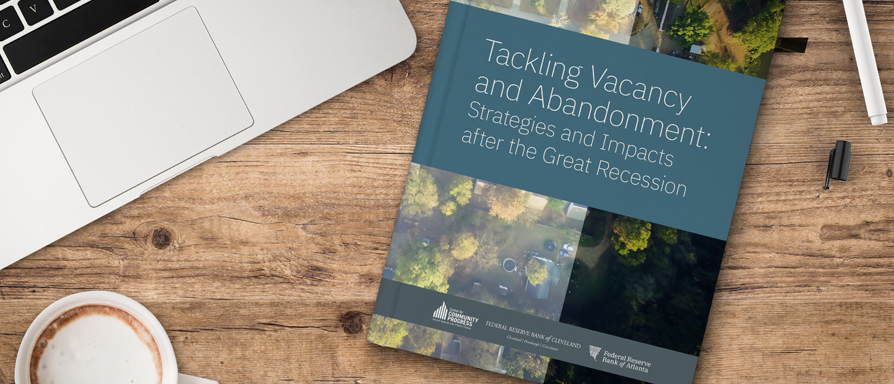
New Research Publication Launched: Tackling Vacancy and Abandonment: Strategies and Impacts after the Great Recession
September 29, 2021
New Research Publication Launched: Tackling Vacancy and Abandonment: Strategies and Impacts after the Great Recession

WASHINGTON, D.C. –   Center for Community Progress announces the launch of Tackling Vacancy and Abandonment: Strategies and Impacts after the Great Recession, a research publication jointly produced with the Federal Reserve…

Read More »
Community Progress Weighs in on $350 Billion ARPA State and Local Recovery Fund
July 14, 2021
Community Progress Weighs in on $350 Billion ARPA State and Local Recovery Fund

Center for Community Progress recently submitted a public comment letter in response to the Treasury Department’s Interim Final Rule (“IFR”) implementing the American Rescue Plan Act’s (“ARPA”)…

Read More »
Michigan Initiatives Quarterly Update: April – June 2021
July 1, 2021
Michigan Initiatives Quarterly Update: April – June 2021

This quarterly update from Community Progress’ Michigan Initiatives team highlights important revitalization news and resources from across the state. For specific inquiries or to share how your…

Read More »
American Rescue Plan Act Update: Treasury Guidance and Fund Request Portal, and Our Updated ARPA Map Resource, Are Now Live!
May 18, 2021
American Rescue Plan Act Update: Treasury Guidance and Fund Request Portal, and Our Updated ARPA Map Resource, Are Now Live!

Important Update: Since publication of this blog on May 18, 2021, Treasury has released additional guidance with specific details for how non-entitlement unit of government allocations should be processed by States….

Read More »
Ira Goldstein on Lessons in Redevelopment Without Displacement from Pittsburgh’s Hazelwood Neighborhood: An RVP Speaker Spotlight

We asked one of our speakers to preview his session at the 2026 Reclaiming Vacant Properties Conference, and what you’ll learn by attending.

Read More »
Jack BeVier on Rethinking Vacant Property Strategy in an Era of Private Reinvestment: An RVP Speaker Spotlight

We asked one of our speakers to preview his session at the 2026 Reclaiming Vacant Properties Conference, and what you’ll learn by attending.

Read More »
Aaron Sukenik and Cate Irvin on Sustaining Storefront Activation in Downtown Pittsburgh: An RVP Speaker Spotlight

We asked our speakers to preview their walking tour at the 2026 Reclaiming Vacant Properties Conference, and what you’ll learn by attending.

Read More »
Get Ready for the ROAD to Housing Act: Steps to Take Before Accessing New Housing Funds

What the ROAD to Housing Act contains relating to community revitalization and vacant property reuse.

Read More »
What Pung v. Isabella Means for Communities Dealing with Vacant, Tax-Delinquent Property

What communities dealing with property vacancy, abandonment, and tax delinquency should expect following the Supreme Court’s ruling in Pung.

Read More »
Proposed Housing Legislation in the 119th Congress: What Land Banks Need to Know

Guidance for land banks on emerging housing legislation moving through Congress.

Read More »
How Vacant and Abandoned Buildings Affect Communities

Learn how vacant, abandoned, and deteriorated properties—referred to by some as “blighted properties”—pose significant costs to public health, property values, and local taxpayers.

Read More »
How Land Banks and Under-Resourced Developers Can Collaborate to Build Affordable Housing

Ways that land banks and under-resourced developers can collaborate to build green, affordable infill housing.

Read More »
What are Proactive Rental Inspection Programs?: Keeping Homes Occupied and Communities Healthy

Proactive rental inspection programs shift code enforcement from reactive to strategic, identifying health hazards like lead paint, mold, and broken heating before they harm tenants or push properties toward vacancy. Learn how local governments design effective programs, with examples from cities across the country.

Read More »
How Land Banks Can Address Brownfields: Case Studies

Land banks are well-positioned to engage in brownfield redevelopment. As public entities with unique powers to address vacant, abandoned, and deteriorated properties, land banks can help communities return these properties to productive use in alignment with community goals. A growing number of communities across the country are seeing land banks…

Read More »