
How Communities Can Partner with Land Banks to Address Housing Insecurity
September 17, 2026
Topic(s): Land Banks

As housing costs rise, communities across the county report an increasing need for diverse affordable housing opportunities. These challenges are well-documented. The United States has a shortage of 7.2 million homes affordable to extremely low-income renters—defined as renters below the federal poverty guideline or at 30 percent of area median income. Additionally, 49 percent of renters are cost-burdened, spending more than thirty percent of their income on rent and utilities. Of that population, 12.1 million households spend over half their income on housing costs.
This affordability crisis disproportionately affects populations who are vulnerable to housing insecurity: people with disabilities, those experiencing homelessness, refugees, immigrants, migrants, asylum seekers, returning citizens, veterans, and senior citizens.
Land banks and their partners are rising to meet the urgent need for affordable housing, including affordable housing for vulnerable populations. The latest National Land Bank Network (NLBN) State of Land Banking survey found over 70 percent of respondents are working on or planning affordable housing projects. By using their unique powers to strategically acquire properties and hold them tax-exempt for strategic disposition, land banks can play a critical role in meeting community housing needs. Land banks’ impact becomes even greater when they partner with other stakeholders committed to meeting community housing needs.
In July, NLBN convened three communities with land banks that have programs serving housing-insecure populations. Land bank staff and other community partners, including supportive housing providers, local housing funds, advocacy groups, and developers, joined the Land Banks Addressing Housing Insecurity Learning Exchange to share their successes and talk with affordable housing development and funding experts. As these communities further their own housing efforts and provide a model for other communities, we are excited to share some of their projects.
96-Unit Affordable and Supportive Housing In-fill Development on Former Industrial Site in Suffolk County, New York
One Carleton Green is an ongoing development project to transform former industrial lots, including a superfund site, into affordable and supportive housing.
Formerly a rail station, parking lot, and chemical manufacturing site, One Carleton Green will be a 15-acre community development. Plans for the site include a three-story structure with first-floor retail space, two public plazas, and 96 residential units. The superfund site, which will provide parking area, had been tax delinquent since 1992 and owed over $3 million in unpaid taxes. The Suffolk County Landbank Corporation sold the tax liens for $1.45 million, providing a pathway for local developer Georgica Green Ventures to acquire the site.
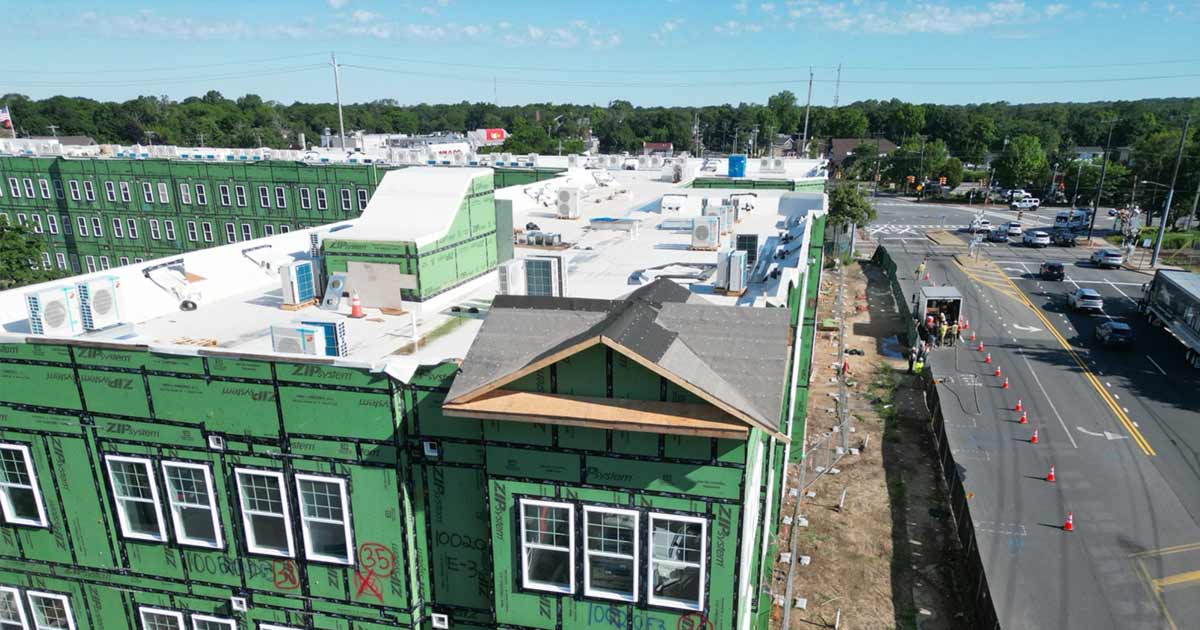
Construction began in 2025 and the site is set to open in 2027. This $65 million project combines federal, state, county, and private investments and exemplifies strong cross-sector partnership. This effort engaged public and private stakeholders, including the land bank, Town of Islip, multiple NYS government agencies, the US Environmental Protection Agency, and local developers.
Meeting housing needs for individuals with intellectual and developmental disabilities (I/DD) was a priority for this project. AIM Services, Inc., which provides residential care and community services for individuals with I/DD, served as a project partner. Of the 96 residential units, 15 will be designated for adults with I/DD. Additional units will be accessible and equipped to meet the needs of people with mobility, hearing, and visual impairments. The development will also have an onsite office for a service provider from the NYS Office for People with Developmental Disabilities (OPDD) to offer wraparound services.
Transforming Former Schools to Senior and Supportive Housing and Temporary Shelters in Macon-Bibb County, Georgia
Working with existing infrastructure presents exciting opportunities to bring new life to historic buildings and communities. Macon-Bibb County has transformed several former schools into new housing for vulnerable populations, including senior living facilities and supportive housing. Like many communities, Macon-Bibb County has seen a decrease in school-aged children over the past 10 years (-3 percent) and an increase in adults 65 years or older (+26 percent). By converting closed school buildings into housing, the county is supporting changing community needs.
East Macon’s Hunt School Village was built in the 1950s and closed in 2003. From 2016 to 2017, the school was converted into 60 apartments for seniors and individuals with I/DD. East Macon is small historic neighborhood that has experienced chronic disinvestment, and community members were overwhelmingly supportive of the project. The total development cost was $12 million. Development was spearheaded by Macon-Bibb County Housing Authority (MHA)’s nonprofit affiliate In-Fill Housing, Inc. and all units use project-based vouchers managed by MHA.
Other school transformation and new construction projects throughout the city include:
- Alexander IV Elementary School, converted into a senior assisted living facility
- Pearl Stephens Elementary School, converted into a 61-unit apartment development
- Brookdale Elementary School, converted into Brookdale Resource Center, a shelter for individuals experiencing homelessness
The Macon-Bibb County Land Bank Authority, in partnership with local stakeholders including MHA, Habitat for Humanity, River Edge Behavioral Health Services, and Historic Macon, was instrumental in these projects: acquiring, holding, and abating property taxes on key parcels. Cost margins for development are tight: creating affordable housing often costs more than final sale or rental income is expected to produce. Land banks can be an invaluable partner by holding property long term to help the development pencil out.
Rethinking What Home Can Mean for Older Adults in Clearfield County
Clearfield County, Pennsylvania faces many challenges common to rural communities across the country: limited housing inventory, transportation barriers, an aging population, and few options for individuals who need supportive services. In these areas, larger-scale housing developments aren’t always practical or appropriate.
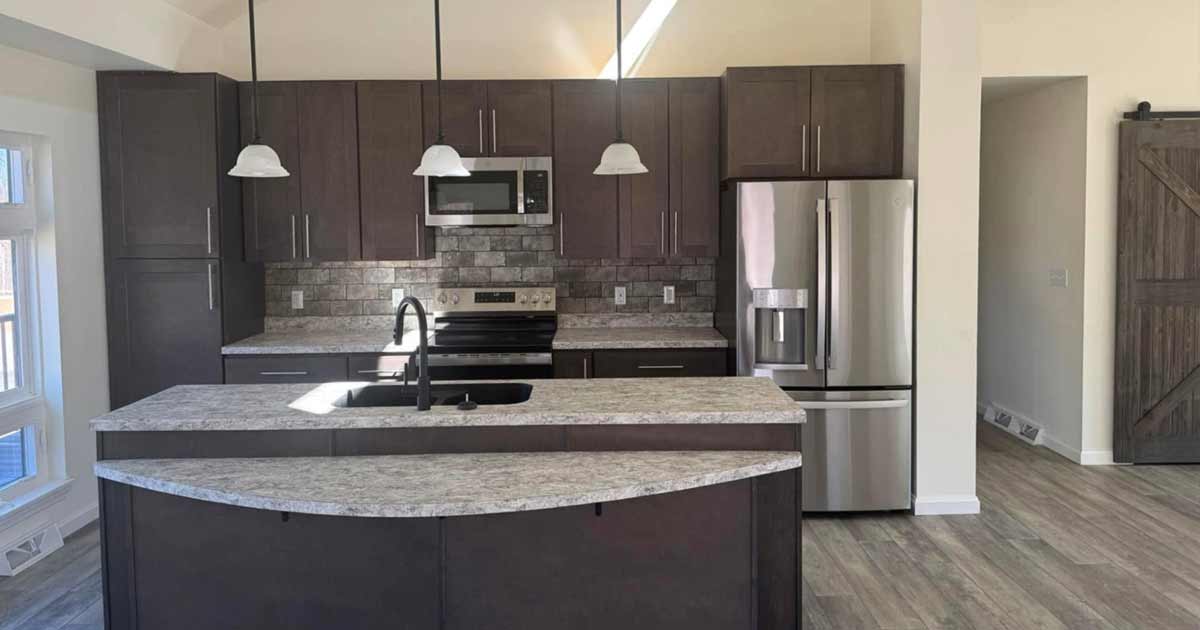
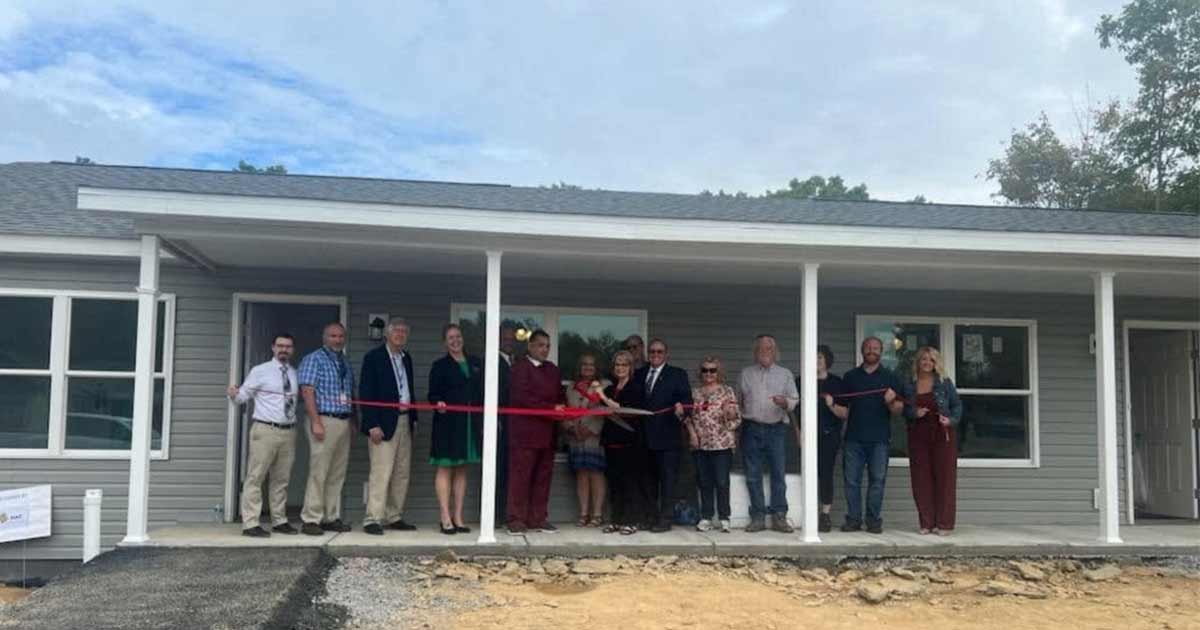
The Village of Hope is a multi-ability, multi-generational, multi-inclusive, co-housing complex (“MAGIC”), built to provide options outside of a traditional assisted living facility or nursing home. Intended residents include individuals experiencing cognitive changes, aging adults raising grandchildren or younger family members, adults with I/DD, and families.
Construction began in July 2022 and the first home was completed that October. The nearly 50-acre site currently has 19 complete, occupied units. Current residents at Village of Hope pay rent based on income, typically between $1,000–1,500 per month, which covers utilities and maintenance. The long-term vision for the community extends beyond residential units. Potential plans include a grocery store, cafe, beauty shops, health services, community spaces, and other areas and services that make a neighborhood feel like home.
There are opportunities for expansion in the future, but Village of Hope has a waitlist of more than 200 people, including some outside of Clearfield County. The demand speaks to the severe undersupply of affordable, let alone desirable, housing for housing insecure populations.
Mature Resources and the Area Agency on Aging led the project, financing development through a combination of commercial mortgage and local dollars. For the initial development, they received a $7.5 million conventional loan at 5 percent interest. The Redevelopment Authority of Clearfield County, which serves as the area’s land bank, supported fundraising efforts and grant applications for federal and state support for the project and its future expansion.
How Can Your Land Bank Support Similar Projects in Your Community?
No single entity can solve a community’s housing crisis. Suffolk County, Macon-Bibb County, and Clearfield County brought in a wide array of partners to actualize ambitious and creative housing projects. By pursuing joint opportunities that play to each partner entity’s strengths, communities can strategically pool their resources to create housing opportunities that meet urgent needs.
As communities across the country develop housing opportunities, they should consider:
- What local populations are most in need of housing opportunities? Who is getting left behind by existing development, resources, or initiatives?
- What services, agencies, partnerships are already supporting these individuals? How can you pool resources, capacity, and unique legal and programmatic strengths to increase opportunity and impact?
- What powers do the land banks in your area have? How can those powers be best leveraged for the priority projects?
Looking to go even deeper?
- “How Land Banks and Under-Resourced Developers Can Collaborate to Build Affordable Housing” summarizes the challenges under-resourced developers encounter and offers even more recommendations for how land banks can support under-resourced developers across the country in building more green, affordable infill housing.
- The Road Ahead for Land Banks: Opportunities for Growth and Greater Equity explores how land banks have evolved over the past 40 years, case studies of land banks stepping up to serve their communities in creative ways, and recommendations for land banks looking to do even more.
Subscribe to join 14,000 community development leaders getting the latest resources from top experts on vacant property revitalization.