What are Proactive Rental Inspection Programs?: Keeping Homes Occupied and Communities Healthy
April 21, 2026
Topic(s): Code Enforcement System
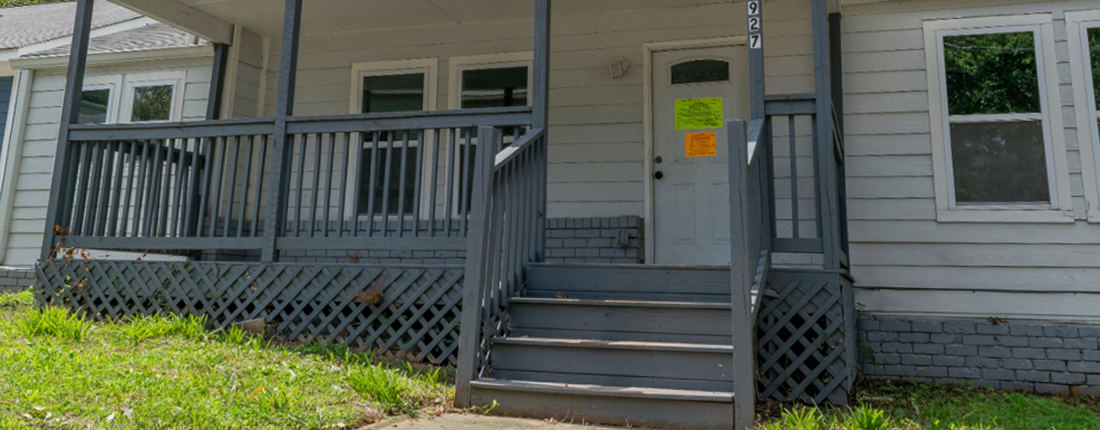

Proactive rental inspection is a powerful tool local governments can use to identify and stabilize deteriorated, occupied rental properties. This matters because housing is one of the most powerful determinants of health, with serious consequences for people living in substandard properties.
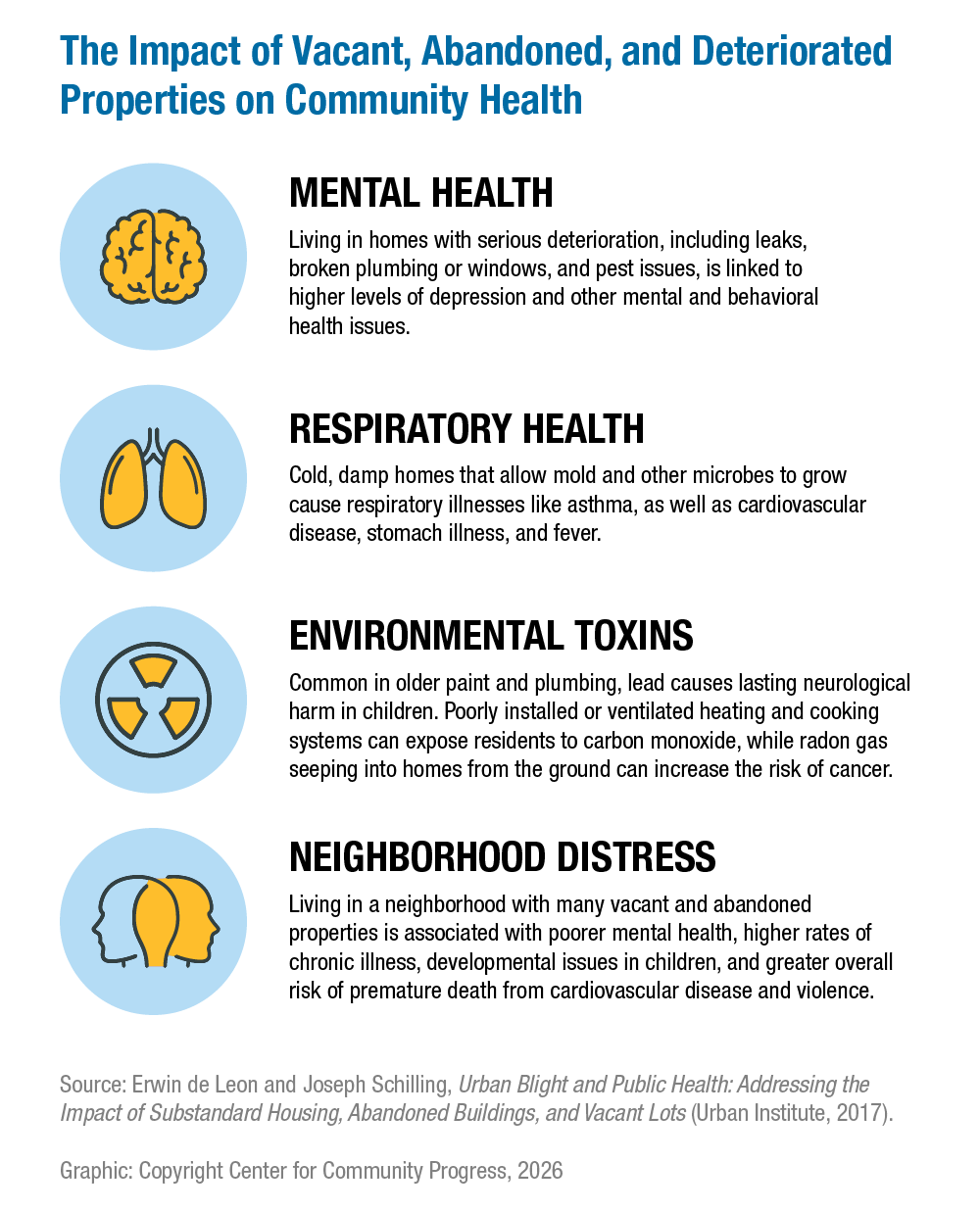
A leaky roof isn’t just a problem with cracked shingles or unrepaired vents—it becomes a mold problem, then a respiratory problem, then an asthma diagnosis for a child. Chipping paint in an older rental unit isn’t just an aesthetic concern, but a source of lead exposure that causes irreversible neurological harm. Poorly ventilated heating systems expose families to carbon monoxide, and pest infestations trigger allergic reactions and worsen chronic illness. Structural hazards cause injuries.
In addition to physical health impacts, living in a deteriorating home takes a measurable toll on mental health, with research linking substandard housing conditions to higher rates of depression, anxiety, and psychological distress.
Low-income renters are most at risk. With few resources to move, lack of alternative, affordable housing options, and real fear that reporting unsafe conditions could lead to retaliatory eviction or building condemnation, many tenants simply live with the reality of dangerous or unhealthy housing. Nearly 7 million US households live in physically inadequate homes, with the burden falling disproportionately on low-income Black and Brown renters, exacerbating health disparities.
Proactive rental inspection helps improve and maintain a healthy, safe rental inventory. This benefits both landlords and renters—and protects neighborhoods from future deterioration.
What is a proactive rental inspection program?
A proactive rental inspection program is what it sounds like: Instead of waiting for a tenant to file a complaint, cities inspect rental housing proactively, on a regular, mandatory schedule. This shift from reactive to strategic code enforcement changes everything about who bears the burden of ensuring safe, healthy housing.
Traditionally, most local governments rely on resident complaints to identify housing and building code violations and use fines and criminal penalties to enforce local property maintenance ordinances. When it comes to rental properties and interior violations, this puts the responsibility for identifying hazards on the people with the most to lose. Tenants who fear eviction, don’t speak English, live on fixed incomes, or simply don’t know they have the right to safe housing are also the tenants most likely to be living in the worst conditions.
Even in the best case, the only thing reactive code enforcement accomplishes is solving the specific problem in the specific building from which the complaint emanated. It does nothing to improve conditions in the many other buildings that don’t happen to trigger complaints.
In contrast, proactive rental inspection treats housing code enforcement as the vital public health and safety function that it is, like restaurant health inspections or water quality testing. Landlords are required to register their properties and are subject to regular, systematic inspections by code inspectors using a checklist of conditions affecting health and safety.
Through these inspections, local governments can identify hazards like untreated lead paint, toxic mold, broken heating and cooling, and structural dangers before they create lasting harm. The most effective proactive rental inspection programs also create accountability for landlords and property maintenance firms through a combination of incentives for passed inspections and penalties for noncompliance.
There is real evidence that proactive inspection works as a public health and safety intervention:
- Baltimore, Maryland, which has one of the country’s oldest proactive rental inspection programs, documented a 97 percent reduction in elevated blood lead levels in children tested between 1992 and 2016—the result of a sustained, multi-pronged effort in which proactive inspection played a central role.
- Rochester, New York, which built its proactive inspection program around a prevention-first lead ordinance, saw an 85 percent decrease in childhood lead poisoning rates between 2006 and 2019.
- Minneapolis, Minnesota implemented a regular proactive rental inspection program in 2012. The program requires all rental properties to be licensed and inspected on a cycle based on their compliance history and uses regular 150-point safety inspections to identify critical health and safety hazards such as non-functioning smoke and carbon monoxide detectors, fire hazards like clogged dryer ducts, and mold—prioritizing the most at-risk properties for annual review.
- Cedar Rapids, Iowa moved away from complaint-based enforcement by adopting a rental registration and inspection program in 2010. They have documented inspectors detecting gas leaks during routine inspections that likely would not have been found otherwise. In 2025 alone, city building inspectors cited nearly 2,800 inoperable smoke detectors. The city’s building services director credits the program with potentially saving lives.
The throughline in communities that achieve results like these is the shift from reactive to strategic code enforcement. Rather than treating code enforcement as a minor government function, triggered only by complaints, these communities treat it as a health and safety tool, finding hazards before they cause harm. That shift in framing changes how early intervention happens and whether property deterioration issues get addressed before the property becomes unlivable. Beyond these immediate benefits to health and safety, proactive rental inspection programs also help prevent displacement of vulnerable tenants, protect and strengthen housing markets, and build a culture of responsible property ownership.
Designing a proactive rental inspection program that works
Building a proactive rental inspection program that delivers results requires local governments to evaluate their capacity and prioritize tenant protections. The approaches below reflect common practices among cities that have done this well. The examples show how local governments of different sizes and geographies are putting these principles into practice—and there are many other cities doing this work, too.
1. Start with a rental registry
You cannot inspect what you cannot find. Many cities are surprised to discover they don’t have a reliable, current list of which properties in their jurisdiction are being rented out. A rental registry requires landlords to register their rental units with the city. The up-to-date contact information for landlords and property management firms in a rental registry is foundational infrastructure that makes a proactive rental inspection program possible.
Getting landlords registered also creates an early accountability touchpoint, giving cities a way to communicate directly with property owners about program requirements and available resources. Creating the basis for a rental registry is easy and inexpensive using available information sources and straightforward data systems.
Examples of cities with rental registries include:
- Cedar Rapids, Iowa
- Denver, Colorado
- College Station, Texas
- South Bend, Indiana
- Little Rock, Arkansas
2. Pair proactive inspections with licensing
The most effective proactive inspection programs rely on more than fines. They require landlords to obtain a license to engage in the business of renting and can revoke that license for noncompliance. This gives cities leverage. For landlords who have learned to absorb or ignore fines, the threat of losing their rental income stream is a powerful incentive to make repairs. A license program can also be used to ensure that landlords stay current on their taxes, and require that problem landlords take courses, or develop remedial action plans, to keep their license. Not all states, however, allow cities to license landlords.
Examples of cities with landlord license requirements include:
3. Publish a clear, health-focused inspection checklist
The purpose of a proactive inspection is to ensure a home is safe and healthy, not to cite every technical code deficiency. A checklist should cover all conditions that most directly affect health and safety, like working heating systems, water intrusion, lead hazards, pest infestations, smoke detectors, and structural integrity. Publish this checklist online so landlords know exactly what to expect during an inspection.
Hundreds of towns and cities have published inspection checklists. A few examples include:
4. Use data to target your resources
Many successful programs use parcel, market, and health data to prioritize inspections where they will have the greatest impact, for example: properties with a history of violations, homes built before 1978 (when the federal government banned lead paint), or neighborhoods with elevated rates of asthma hospitalizations or childhood lead poisoning. A performance-based inspection frequency model, where landlords with persistent violations are inspected more often and those with good records less frequently, rewards compliance and focuses resources on problem properties. Once the proactive inspection program has been in place for a year or two, it is a good idea to transition to a performance-based system, to be able to concentrate resources on landlords that are chronically noncompliant, and show responsible landlords a lighter touch.
Examples of cities using tiered and data-driven approaches to inspections include:
5. Charge a reasonable fee that can cover the cost of the inspections
Cities should charge a fee that is adequate to cover the cost of the initial inspection, as well as the administrative costs of maintaining the registration or licensing system. Many cities charge a fee that is in the ballpark of $100/unit/year, which is usually enough to cover the full costs of administering and managing the program. Fees should not be seen as a new revenue stream to boost a municipality’s general fund. All fees should be used to offset the program’s goals of achieving safe, healthy rental housing and preventing vacancy in the rental inventory.
6. Protect tenants at risk of displacement
Proactive inspection programs are built to protect low-income renters but can cause unintended harm if they don’t plan for worst-case scenarios. More effective enforcement will inevitably uncover some units unfit for habitation, while elsewhere some landlords will decide repairs don’t pencil out and may walk away from their properties. It is important to plan for the potential of tenant displacement in the program design. Cities should establish relocation assistance programs, explore requirements for noncompliant landlords to cover displacement costs, and build partnerships with legal aid and social service organizations to support tenants through the process.
Examples of places with tenant displacement protections include:
7. Treat responsible landlords as partners
Effective programs lead with communication, notifying landlords before inspections, explaining what will be inspected and why, and framing the process as something that protects their investment as much as their tenants. The goal is compliance, not punishment. This is especially important for small landlords in weak real estate markets who may want to make repairs but lack the funds. Some cities have created home repair and landlord repair assistance programs (sometimes structured as loans with affordability requirements, sometimes administered by local nonprofits) to help these owners comply. A landlord who understands that addressing a minor leak today prevents a costly mold remediation down the road is more likely to cooperate and maintain the property between inspection cycles.
Examples of programs with effective landlord communication strategies include:
- St. Johnsbury, Vermont (via RuralEdge)
- Philadelphia, Pennsylvania (via PHDC)
8. Invest in building cultural change in the department responsible for code enforcement
Proactive inspection of occupied rental properties is meaningfully different from the exterior inspections that are most common in a traditional, reactive approach to code enforcement. Inspectors must be able to communicate with tenants with care and navigate situations that may surface social service needs beyond housing quality. Departments that want to pivot successfully to a proactive inspection model should invest in training, adjust hiring practices to prioritize strong interpersonal skills, and build referral networks and partnerships with local nonprofits.
Read more about how to design an effective program in our Code Enforcement Training Guide. This guide includes examples of how cities like Peoria, Illinois and Cincinnati, Ohio have shifted culture towards a collaborative approach between residents and code enforcement.
9. Track outcomes and impact
Many code enforcement programs measure success by the number of inspections conducted or citations issued. However, those numbers don’t indicate whether housing became safer or residents became healthier. Programs that can connect inspection activity to reductions in lead poisoning rates, asthma hospitalizations, or housing-related emergency calls earn sustained political support and budget investment. Building better data infrastructure that tracks health and housing outcomes gives program administrators evidence to make the case to elected officials and demonstrate return on investment to the community.
How Community Progress helped Detroit overhaul its rental inspection and licensing program
Detroit, Michigan has an estimated 80,000 rental properties, most of them single-family homes. When the City of Detroit engaged Community Progress in 2023 to assess its rental inspection program, fewer than 15,000 of those properties were registered (despite a rental registration requirement), and only 8,000 had an active certificate of compliance. Put simply: The overwhelming majority of Detroit renters had no assurance that their home passed even a basic safety inspection. The City’s complaint-based enforcement system had significant structural weaknesses: landlords incorporated as LLCs were routinely ignoring citations and fines, and tenants were reluctant to report violations for fear of displacement.
Community Progress conducted a detailed analysis of Detroit’s existing rental ordinance and developed concrete recommendations for how the City could build a more effective and equitable system. Our recommendations prioritized tools with consequences for scofflaw landlords, like the ability to tie unpaid violations to the property itself and enforce them similarly to delinquent property taxes—meaning landlords risked losing their property and income stream if they failed to comply.
In October 2024, Detroit City Council passed a sweeping overhaul of the city’s rental ordinance, incorporating nearly all of Community Progress’ recommendations to enhance enforcement against repeat violators, simplify compliance for good-faith landlords, and strengthen tenant protections. By early 2025, the City had launched a pilot of the new system and is seeing promising results. By week 15 of the new rental system, the City had done 1,200 inspections—previously, it took a year to inspect 500 properties in a pilot area. As of July 2025, 11,589 additional rental properties had been registered in the City.
Proactive rental inspection is “blight” prevention
Community Progress works to help address occupied, deteriorated housing precisely because of the need to preserve existing housing stock, protect community health, and prevent future vacant and abandoned properties.
If your city is grappling with rental housing quality, a complaint-driven enforcement system that isn’t getting results, or landlords who have learned to ignore fines, we can help. Contact our team to learn more about our technical assistance services and how we can support your community’s code enforcement and rental safety goals.
Subscribe to join 14,000 community development leaders getting the latest resources from top experts on vacant property revitalization.