
Vacant Land Elements Examples by Type
Policy

Connecticut Department of Economic and Community Development’s (DECD)
The Brownfield Remediation and Development Program provides $24.6 million in state funding to remediate 41 VAD properties across Connecticut.
Read More »Emerald South Economic Development Collaborative
The Terra Firma Vacant Lot Toolkit provides extensive background on vacant lots in Chicago while laying out actionable goals and steps for others to transform parcels into spaces of dignity. Created by the Emerald South Economic Development Collaborative, this toolkit sets out to provide a blueprint for various stakeholders that are interested in embarking on this work.
Read More »City of Danville
The City of Danville zoning ordinance provides a number of useful tools for vacant lot development, including allowing urban gardening in most districts with a special permit, and creating a designation for districts where new development will infill parcels with vegetation and landscaping.
Read More »City of Baltimore
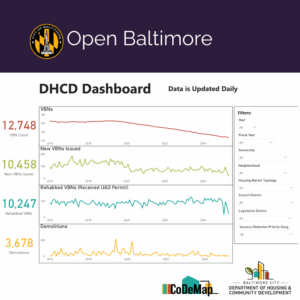
Open Baltimore is an online data portal that provides the public with access to hundreds of datasets and interactive dashboards, including a Vacant Building Dashboard. The Vacant Building Dashboard shares data on the number of vacant building notices, building rehabs, and demolitions. The data can be sorted and filtered by geographic bounds, time increments, and even “housing market typology.”
Read More »Grounded in Philly
The Vacant Land 215 Toolkit is a guide for both new and current gardeners in Philadelphia looking to use land productively, understand how to gain legal access to City-owned vacant spaces for community food production or open space, or understand what legal protections are available for existing community gardens.
Read More »Urban Redevelopment Authority of Pittsburgh
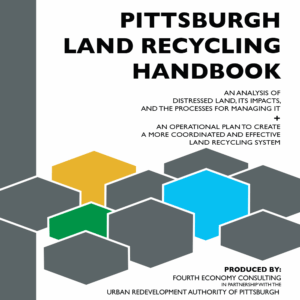
The Pittsburgh Land Recycling Handbook includes an analysis of distressed land in Pittsburgh, its impact, and the processes for managing it, as well as an operational plan to create a more coordinated and effective land recycling system.
Read More »City of Camden
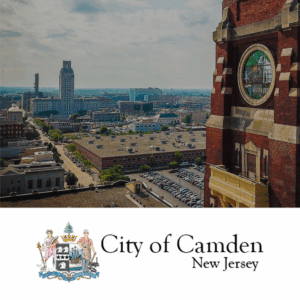
The City of Camden zoning ordinance has many goals that align with vacant land reuse and revitalization, including “to conserve a corridor of natural open space (greenways) primarily along waterways within the City” and “to emphasize the need for a wide variety of open space and demonstrate its value as an essential community asset.
Read More »City of Rochester Division of Real Estate
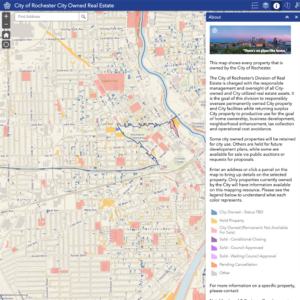
This website assists residents in accessing or purchasing one of the 3,400 City-owned vacant lots in Rochester for temporary or permanent projects. Some lots are sold for large development projects, many are used as community gardens, and many more are…
Read More »City of Milwaukee Department of City Development
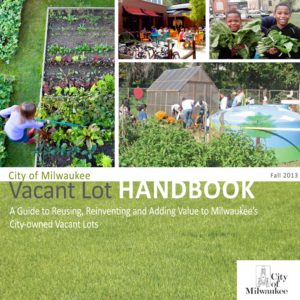
With the help of many dedicated citizens and professionals, the Department of City Development in Milwaukee has put together a handbook of creative reuse strategies for city-owned vacant land.
Read More »Cuyahoga Land Bank
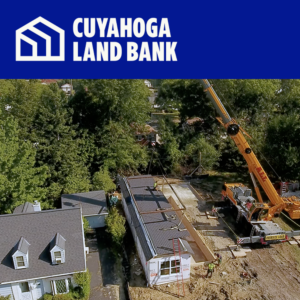
The Cuyahoga Land Bank (CLB) developed their Side Yard Program for eligible applicants to purchase vacant lots to expand their yards or businesses. This is one of their most successful and popular programs that has helped hundreds of Cuyahoga County residents utilize vacant land in resourceful and imaginative ways.
Read More »