Vacant Land Elements Examples by Type
Plans
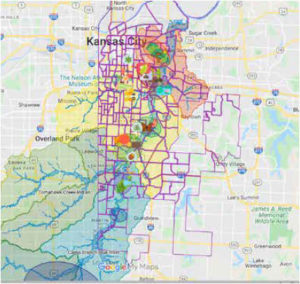
Heartland Conservation Alliance
This mapping tool is designed to help prioritize the vacant lots that can have the most environmental and health benefits for urban communities. The tool provides parcel specific information and important contextual information like if it is in a flood plain or owned by the land bank, allowing neighbors to…
Read More »- « Previous
- 1
- 2
- 3
In Elevated Chicago’s report, a case study of two areas in Chicago near transit hubs discuss the impact of vacant lots as well as the potential they hold for the area.
Read More »The Green Equity Initiative by the Pennsylvania Horticulture Society (PHS) is a proposal for environmental neighborhood investment in Philadelphia in the form of neighborhood-based greening solutions.
Read More »A pilot report from the Metropolitan Planning Council and Emerald South explore how greenwater storm infrastructure (GSI) can be implemented based on local sewer conditions and vacant lot availability for efficient stormwater management.
Read More »Led by the Calhoun County Land Bank Authority the Washington Heights Land Re-Use Strategy seeks to revitalize the Neighborhood Planning Council 2 (NPC2) area of Battle Creek, Michigan. Led by the Calhoun County Land Bank Authority
Read More »The Terra Firma Vacant Lot Toolkit provides extensive background on vacant lots in Chicago while laying out actionable goals and steps for others to transform parcels into spaces of dignity. Created by the Emerald South Economic Development Collaborative, this toolkit sets out to provide a blueprint for various stakeholders that are interested in embarking on this work.
Read More »The Vacant Land Assessment System (VLAS) uses ArcGIS tools to create strategies for assessing and prioritizing vacant lots for their most suitable regeneration possibilities. The tool analyzes the geographical surroundings, potential repurposing strategies and property features to classify them and provide ideas for transforming the lots. The VLAS framework becomes a powerful strategy for future planning in a way that is collaborative across disciplines and stakeholders and assesses lots effectively.
Read More »The Allegheny Green Web Collaboration is a network of more than 20 nonprofit recreation and conservation organizations with a vision for connected parks, open spaces, and trails throughout Allegheny County to enhance the quality of people’s daily lives, promote healthy living, and encourage increased engagement with nature. The collaboration manages a website providing an interactive narrative of their efforts.
Read More »Developed through a partnership between the Pennsylvania Department of Conservation and Natural Resources and the Pennsylvania Downtown Center this handbook provides strategies for communities to utilize their natural, outdoor recreational resources as assets to grow and enhance their community and economic development.
Read More »The East Trenton Neighborhood (ETN) Brownfields Area-Wide Plan provides site-specific recommendations for 12 brownfield sites with an emphasis on two catalyst sites that have the greatest likelihood of development and impact. Cities dealing with high rates of vacant land and contamination may find this plan helpful in understanding the opportunities and challenges of putting properties back into productive use in a safe and healthy way.
Read More »The Vacant Land 215 Toolkit is a guide for both new and current gardeners in Philadelphia looking to use land productively, understand how to gain legal access to City-owned vacant spaces for community food production or open space, or understand what legal protections are available for existing community gardens.
Read More »