Blog

Home » Blog

Our blog unpacks complex approaches to community revitalization so you feel ready to return vacant properties to productive use. Sign up for our newsletter to get solutions in your inbox.

Filter by Date

Topics
Three new communities selected for the Technical Assistance Scholarship Program
March 8, 2016
Three new communities selected for the Technical Assistance Scholarship Program

Community Progress launched the competitive Technical Assistance Scholarship Program (TASP) in 2014, to help us find and support today’s pioneers in the work to reclaim and revitalize…

Read More »
Lots to Love in Beall’s Hill
February 29, 2016
Lots to Love in Beall’s Hill

We’re pleased to share this guest post from Emily Hopkins with the Historic Macon Foundation about their participation in this year’s national #LoveThatLot campaign. A once-vacant lot…

Read More »
What is the cost of blight? What new research from Atlanta tells us
February 26, 2016
What is the cost of blight? What new research from Atlanta tells us

What is the cost of blight? We know that vacant properties cost cities through lost property tax revenue, and that they also bring down the property values…

Read More »
Making the connection between vacant properties, community wellbeing, and social justice
February 25, 2016
Making the connection between vacant properties, community wellbeing, and social justice

In the wake of continued police violence in communities of color across the nation, we have witnessed the strengthening of movements against brutality. With its origins in…

Read More »
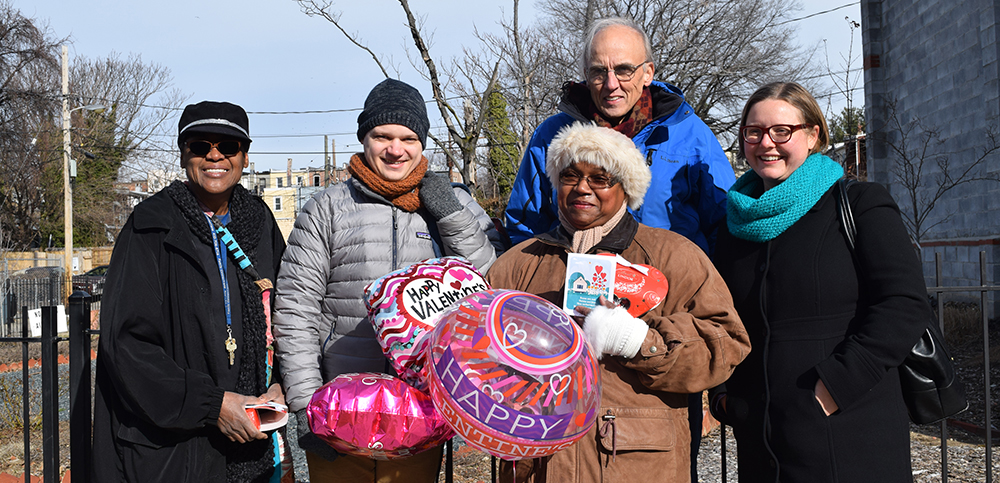
#LoveThatLot: A Valentine’s celebration for neighborhood revitalization champions in Baltimore
February 19, 2016
#LoveThatLot: A Valentine’s celebration for neighborhood revitalization champions in Baltimore

This year, as part of our Valentine’s Day #LoveThatLot campaign, we were lucky to have the chance to visit a revitalized vacant lot in Baltimore’s Barclay neighborhood…

Read More »
Treasury announces how $2 billion for Hardest Hit Fund will be allocated
February 19, 2016
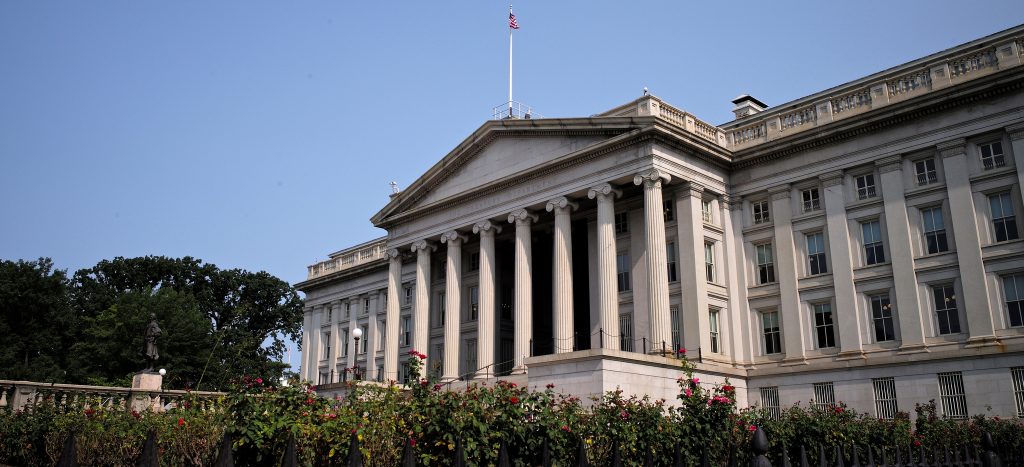
Treasury announces how $2 billion for Hardest Hit Fund will be allocated

  Today, Treasury announced how it will allocate the additional $2 billion dollars for the Hardest Hit Fund (HHF) program approved by Congress last December. HHF funding…

Read More »
So much PDA! Highlights from the 2016 #LoveThatLot campaign
February 16, 2016
So much PDA! Highlights from the 2016 #LoveThatLot campaign

In a nationwide Valentine’s Day “Public Display of Affection,” many of you shared your love for revitalized vacant places and the people who have poured their hearts into transforming…

Read More »
#LoveThatLot: Public Displays of Affection for revitalization projects!
January 14, 2016
#LoveThatLot: Public Displays of Affection for revitalization projects!

It’s almost Valentine’s Day. That means it’s time for Public Displays of Affection – for revitalized vacant lots and buildings, that is! We’re kicking off the second…

Read More »
Small scale, big results: Asset-based micro-planning in Youngstown, Ohio
December 17, 2015
Small scale, big results: Asset-based micro-planning in Youngstown, Ohio

What if the next big thing in blight elimination is to think small? Staff at the Youngstown Neighborhood Development Corporation (YNDC) think that just might be the…

Read More »
Vacant industrial spaces are reborn to support a new age of small-scale manufacturing
December 17, 2015
Vacant industrial spaces are reborn to support a new age of small-scale manufacturing

There’s a myth surrounding post-industrial economies, Dan Kinkead, acting executive director of Detroit Future City, shares in conversation about the rebirth of small-scale manufacturing in his hometown…

Read More »
Ira Goldstein on Lessons in Redevelopment Without Displacement from Pittsburgh’s Hazelwood Neighborhood: An RVP Speaker Spotlight

We asked one of our speakers to preview his session at the 2026 Reclaiming Vacant Properties Conference, and what you’ll learn by attending.

Read More »
Jack BeVier on Rethinking Vacant Property Strategy in an Era of Private Reinvestment: An RVP Speaker Spotlight

We asked one of our speakers to preview his session at the 2026 Reclaiming Vacant Properties Conference, and what you’ll learn by attending.

Read More »
Aaron Sukenik and Cate Irvin on Sustaining Storefront Activation in Downtown Pittsburgh: An RVP Speaker Spotlight

We asked our speakers to preview their walking tour at the 2026 Reclaiming Vacant Properties Conference, and what you’ll learn by attending.

Read More »
Get Ready for the ROAD to Housing Act: Steps to Take Before Accessing New Housing Funds

What the ROAD to Housing Act contains relating to community revitalization and vacant property reuse.

Read More »
What Pung v. Isabella Means for Communities Dealing with Vacant, Tax-Delinquent Property

What communities dealing with property vacancy, abandonment, and tax delinquency should expect following the Supreme Court’s ruling in Pung.

Read More »
Proposed Housing Legislation in the 119th Congress: What Land Banks Need to Know

Guidance for land banks on emerging housing legislation moving through Congress.

Read More »
How Vacant and Abandoned Buildings Affect Communities

Learn how vacant, abandoned, and deteriorated properties—referred to by some as “blighted properties”—pose significant costs to public health, property values, and local taxpayers.

Read More »
How Land Banks and Under-Resourced Developers Can Collaborate to Build Affordable Housing

Ways that land banks and under-resourced developers can collaborate to build green, affordable infill housing.

Read More »
What are Proactive Rental Inspection Programs?: Keeping Homes Occupied and Communities Healthy

Proactive rental inspection programs shift code enforcement from reactive to strategic, identifying health hazards like lead paint, mold, and broken heating before they harm tenants or push properties toward vacancy. Learn how local governments design effective programs, with examples from cities across the country.

Read More »
How Land Banks Can Address Brownfields: Case Studies

Land banks are well-positioned to engage in brownfield redevelopment. As public entities with unique powers to address vacant, abandoned, and deteriorated properties, land banks can help communities return these properties to productive use in alignment with community goals. A growing number of communities across the country are seeing land banks…

Read More »