
Blog

Home » Land Banks

Land Banks

Proposed Housing Legislation in the 119th Congress: What Land Banks Need to Know

Guidance for land banks on emerging housing legislation moving through Congress.

Read More »
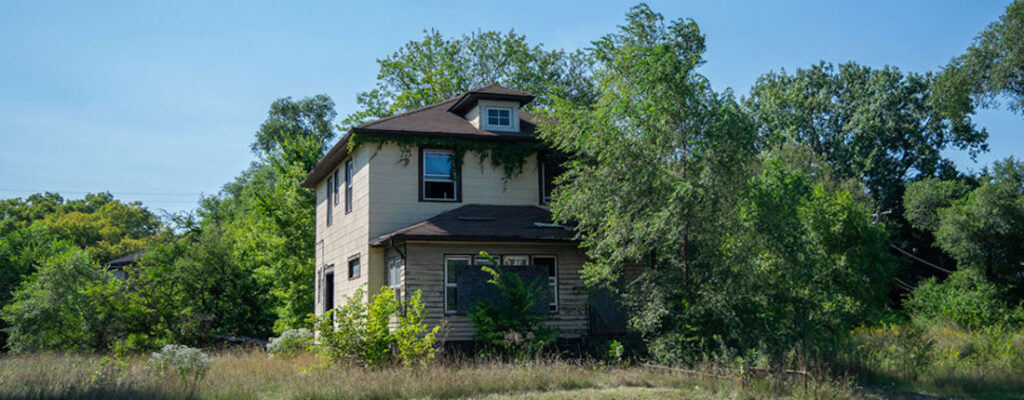
How Vacant and Abandoned Buildings Affect Communities

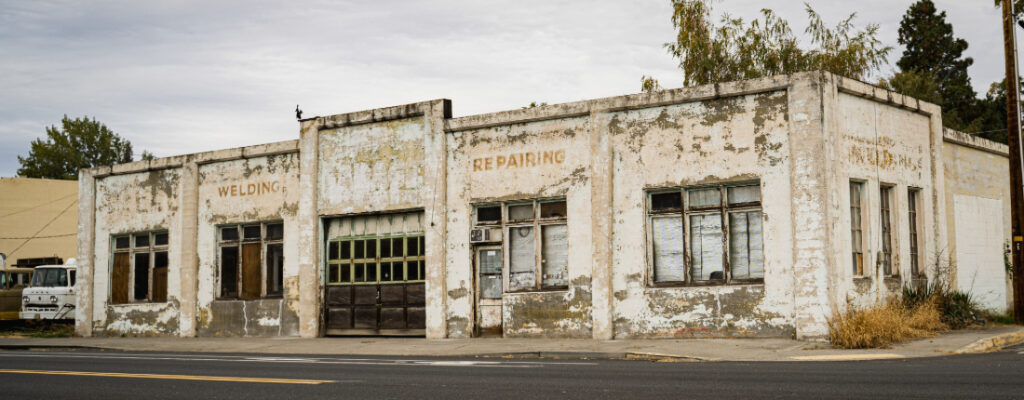
Learn how vacant, abandoned, and deteriorated properties—referred to by some as “blighted properties”—pose significant costs to public health, property values, and local taxpayers.

Read More »
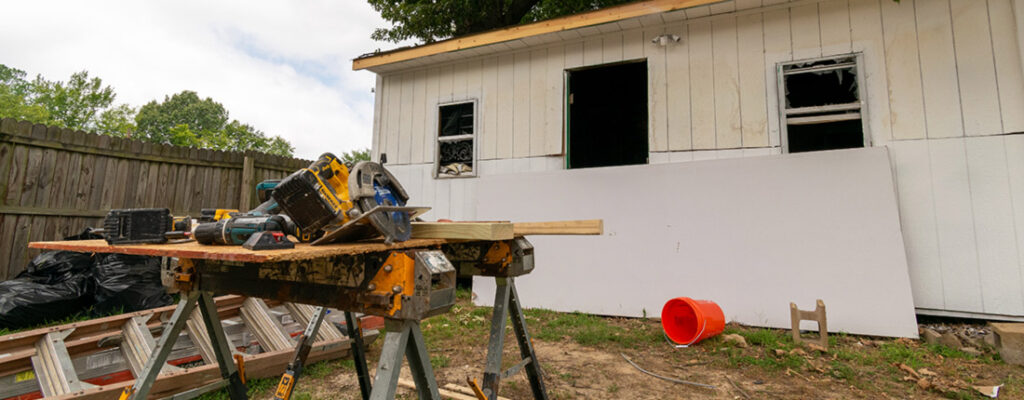
How Land Banks and Under-Resourced Developers Can Collaborate to Build Affordable Housing

Ways that land banks and under-resourced developers can collaborate to build green, affordable infill housing.

Read More »
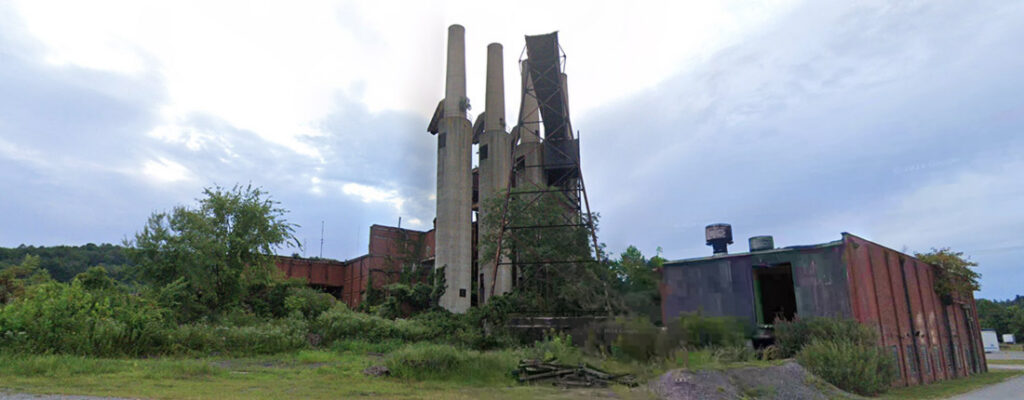
How Land Banks Can Address Brownfields: Case Studies

Land banks are well-positioned to engage in brownfield redevelopment. As public entities with unique powers to address vacant, abandoned, and deteriorated properties, land banks can help communities return these properties to productive use in alignment with community goals. A growing number of communities across the country are seeing land banks…

Read More »
How Philanthropy Powers Land Bank Success 

Examples of how philanthropic partnerships have helped land banks launch new programs to revitalize communities.

Read More »
How Land Banks are Reusing Vacant Land to Build Climate Resilience

Examples of how land banks are transforming vacant land into climate resilience assets through flood mitigation, greening, and partnerships.

Read More »
Why You Should Attend the NLBN Summit—Even if You Don’t Work at a Land Bank

The NLBN Summit is your chance to better understand how land banks work and how they can support your goals around developing housing, reusing vacant land, and helping neighborhoods bounce back from economic decline.

Read More »
How Opportunity Zones 2.0 Can Leverage Existing Vacant Property Inventories

Ideas for Opportunity Zones 2.0 to leverage existing vacant properties in distressed communities, with land bank support.

Read More »
What is a Land Bank?

A land bank is a public entity with unique powers to put vacant, abandoned, and deteriorated properties back to productive use according to community goals.

Read More »
What is a Brownfield?

Brownfield properties, often referred to as “brownfields,” are properties where the presence or potential presence of hazardous substance, pollutant, or contaminant makes redevelopment challenging and costly.

Read More »
The Community-led Effort to Address Vacant and Abandoned Properties in St. Louis County, Missouri

St. Louis County needed a county-wide land bank to work with local communities and partners to help return vacant and abandoned properties to productive use. But breaking the cycle of vacancy requires a comprehensive approach.

Read More »
Leaders in Land Banking: A Conversation with Adam Zaranko at the Albany County Land Bank

We spoke with the Albany County Land Bank Corporation’s Executive Director Adam Zaranko about affordable housing initiatives, the importance of diversified partnerships, and what’s coming up for the land bank in 2023.  The Albany County Land Bank recently launched an innovative program to turn vacant properties into affordable housing opportunities….

Read More »
Over Forty National, Local, and Land Bank Stakeholders Join Community Progress in Asking Bank Regulators to Strengthen the CRA

On August 5th, 2022, Community Progress and forty-three supporting organizations across the country submitted a public comment calling for the modernized Community Reinvestment Act to center racial equity and embed land banking strategies. You can read our comment here. Passed in 1977, the Community Reinvestment Act (“CRA”) is one of…

Read More »
Land Banks and Community Land Trusts: Emerging Partners for a Resilient and Equitable Recovery

This is an excerpt of Chapter 9 of Tackling Vacancy and Abandonment: Strategies and Impacts After the Great Recession, jointly produced by the Center for Community Progress, the Federal Reserve Bank of Atlanta, and the Federal Reserve Bank of Cleveland. It has been lightly edited and condensed for the web….

Read More »
Approaches to Rural Property Vacancy in Law and Policy

This is an excerpt of Chapter 8 of Tackling Vacancy and Abandonment: Strategies and Impacts After the Great Recession, jointly produced by the Center for Community Progress, the Federal Reserve Bank of Atlanta, and the Federal Reserve Bank of Cleveland. It has been lightly edited and condensed for the web….

Read More »
A History of Ohio Land Banking 2009–2021: From Legislation to Operation

This is an excerpt of Chapter 7 of Tackling Vacancy and Abandonment: Strategies and Impacts After the Great Recession, jointly produced by the Center for Community Progress, the Federal Reserve Bank of Atlanta, and the Federal Reserve Bank of Cleveland. It has been lightly edited and condensed for the web….

Read More »
Communities Across the US Are Addressing Property Deterioration and Vacancy With ARPA

States, Tribes, counties, and municipalities around the country have been hard at work determining how to use their allocations from the American Rescue Plan Act’s $350 billion State and Local Fiscal Recovery Fund – which we often clumsily abbreviate as the ARPA SLFRF.   Every unit of government should have already received at least the first…

Read More »
A Pioneering Approach to Bring a Legacy of Quality, Affordable Housing to Communities

Communities nationwide struggle with inventories of properties that are causing harm—properties that are vacant, abandoned, and deteriorated (VAD). Often these properties are concentrated in areas where an intentional history of racist policies resulted in disinvestment and denied homeownership for many Black families—a loss of wealth that has compounded across several generations.   The COVID-19 pandemic has exacerbated these racial disparities and community…

Read More »
Community Progress Weighs in on $350 Billion ARPA State and Local Recovery Fund

Center for Community Progress recently submitted a public comment letter in response to the Treasury Department’s Interim Final Rule (“IFR”) implementing the American Rescue Plan Act’s (“ARPA”) $350 billion State and Local Fiscal Recovery Fund (“SLFRF”). The public comment period is open through Friday, July 16, 2021, and public comments…

Read More »
An Unprecedented Opportunity for COVID Relief and Equitable Neighborhood Transformation

While the US is gaining ground in its fight against COVID-19, many communities are facing growing threats to neighborhood stability from its economic fallout. Unprecedented help is on the horizon for these communities, which could provide a momentous opportunity to spur equitable revitalization.   Where we are today  While the national unemployment rate has been dropping, [1] it…

Read More »